
By Cierren Edmondson, Policy Associate
Feeling safe is a fundamental human need. It is no wonder, then, that crime and community safety become central topics every election cycle and have the power to make or break a candidate. Candidates promise to address crime and compete for voters’ attention, often appealing to their emotions through claims about crime rates, “disorder,” and what it takes to keep communities safe.
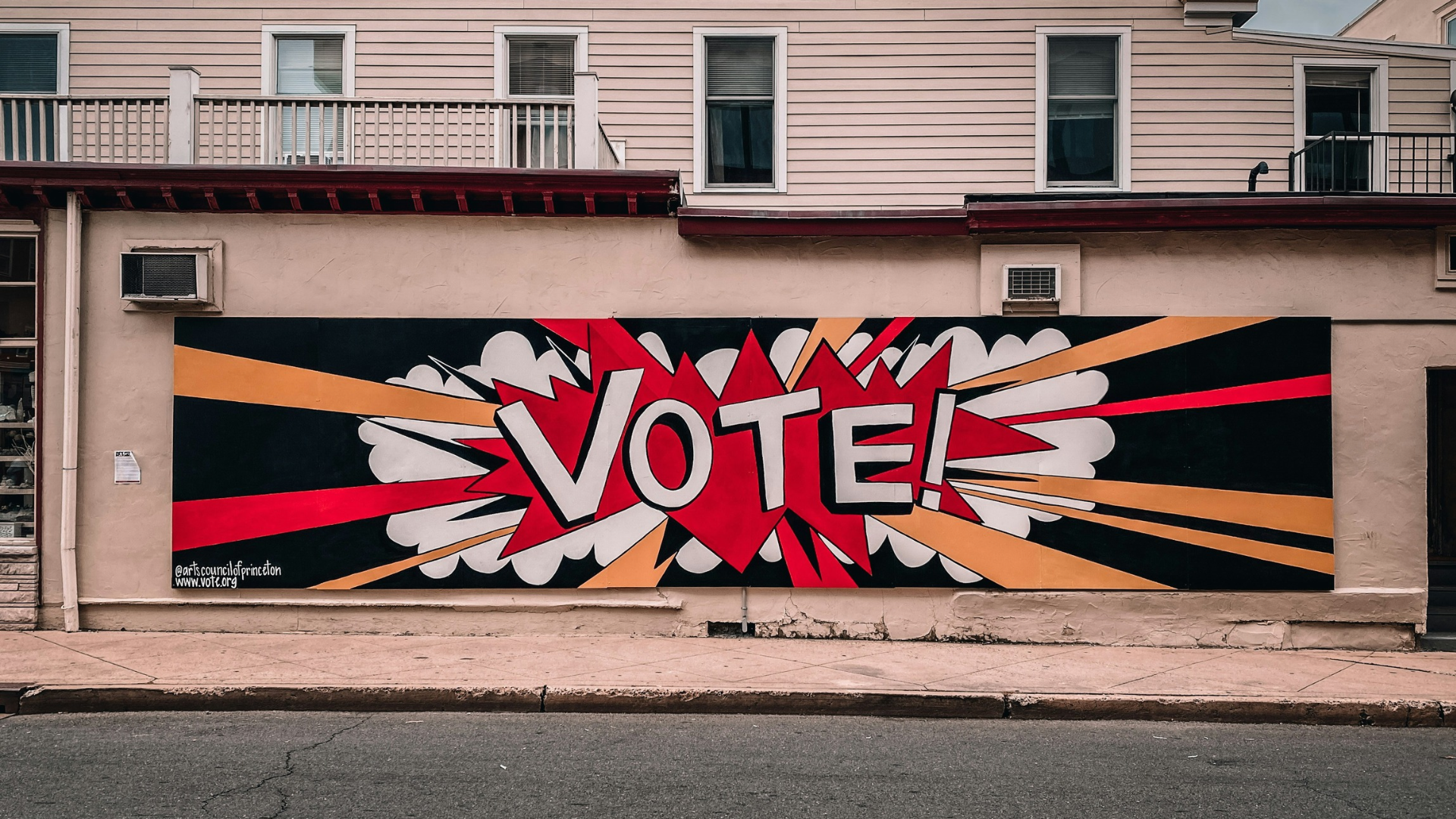
As Americans head to the ballot box, many are thinking about who will keep them and their loved ones safe and how they will do it. Will leaders prioritize punishment, or will they invest in treatment, care, diversion, and the resources that address people’s core needs? Beyond campaign promises and flashy headlines are decisions about where public dollars go, what tools and enforcement practices law enforcement can use, and whether communities have access to the care and support they need.
Looking Beyond The Headlines
Too often, election-cycle conversations about crime rely on fear-based and sometimes misleading narratives, rather than addressing the full range of factors that help keep communities safe and supported. Candidates may point to rising crime or call for stricter enforcement without providing the context or evidence needed to evaluate those claims.
When you hear these messages, consider: What does the data actually show? Is the claim about a particular type of crime, community, or time period? Is there evidence to support that the proposed approach will improve safety? Is it cost effective? And who may bear the greatest costs?
For example, if a candidate calls for stricter enforcement targeting homeless encampments or policies that criminalize homelessness, it is worth asking whether that approach actually improves safety or connects people to stable housing and the care they need. How might it affect racial equity? How does it compare with investments in affordable housing, mental health care, and other community-based supports? These questions can help us look beyond campaign promises to consider whether proposed policies are likely to meet community needs and what their effects may be for the communities most likely to be impacted.
The Choices That Shape Our Communities
Elected leaders make decisions about what communities prioritize and invest in, who gets a seat at the table, and how community safety systems operate. Those decisions can influence whether a local law enforcement agency assists ICE in immigration enforcement and whether a community uses surveillance technologies such as Flock Safety’s automatic license plate readers. They also shape how the data those cameras collect is stored, who can access it, and how it is shared with other agencies. In addition, such decisions can influence whether communities invest in violence prevention programs and if a person experiencing a mental health or substance use crisis is arrested or connected to care. Policies governing police encounters can even determine whether a routine traffic stop turns fatal.
These choices of elected leaders extend far beyond policing and crisis response. Investments in stable housing, accessible health care, mental health and substance use services, economic opportunity, and community-based violence prevention help create the conditions people need to be safe and well.
The policy choices made by elected leaders have consequences for people’s lives. They can shape how many people experience harm, how Black people and other marginalized communities experience policing, and whether communities have the resources they need.
Envisioning Safety Beyond Enforcement
Community safety cannot be achieved by being “tough on crime” or responding to harm after it happens. It is built by preventing harm in the first place and ensuring people have access to the resources, care, and support they need in their communities.
This November, as you consider the choices on your ballot, look beyond the campaign rhetoric on crime and safety and ask how candidates plan to invest in the resources and conditions that actually keep communities safe.
Learn more about the policies, programs, and practices that shape community safety by exploring CPE’s resource library.